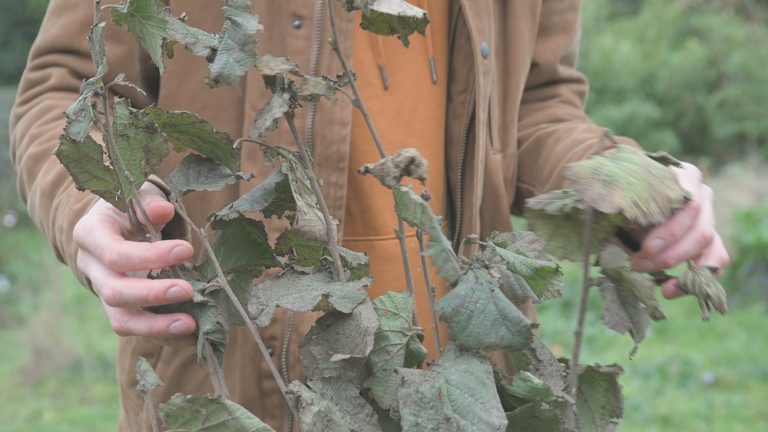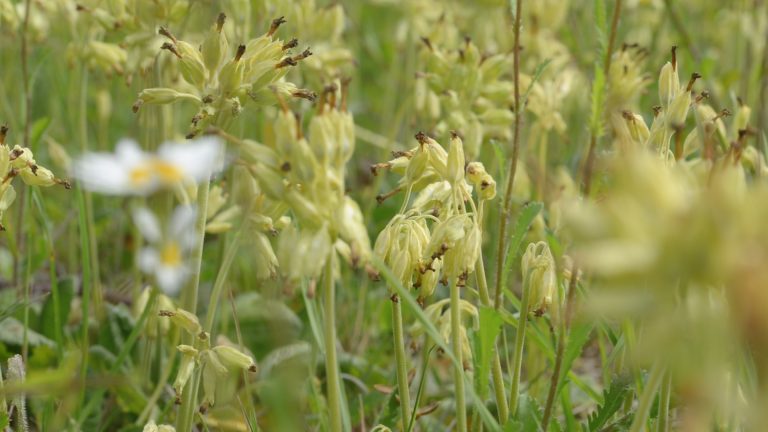

Planting wildflowers in your meadow is easy
Planting wildflowers into your wildflower meadow is a great wauy to build fbiodiversity, and it’s really easy…
When we think about wildlife gardening, we often picture ponds, wildflowers, or bird feeders.
But one of the simplest and most effective habitats you can create is something far less glamorous…
A pile of old logs.
Log piles couldn’t be much simpler. They’re a pile of logs, intended to mimic the fallen trees that adorn wild ecosystems.
However, simple is usually best. And log piles can provide wildlife with:
Warmth: A south-facing log pile gets sun all day long. Perfect for cold-blooded animals that need to warm up before they go hunting or foraging.
Shelter: The logs give protection from the elements. Protection from wind, rain, and extreme temperatures.
A hibernation spot: For animals that hibernate, such as lizards and hedgehogs, the bottom of a log pile is perfect.
Protection: Lizards often bask close to the edge of a log pile. Why? So they can run straight back inside when birds or other predators come close.
Food: Log piles are home to a huge diversity of wildlife species, ranging from fungi to insects and other small animals… so there’s a lot of eating going on inside.
What I love about wildlife log piles is that they represent a different way of thinking about gardening. Instead of constantly clearing things away and tidying every corner, we can start asking how our gardens can function more like natural ecosystems.
A fallen tree in the wild doesn’t mark the end of something; it creates opportunity.
More light reaches the ground, fresh growth appears, insects move in, fungi begin breaking down the wood, and an entire chain of life develops around it. As gardeners, we can recreate and shape those natural processes, even in the smallest gardens.
Even though lizards aren’t especially rare in the UK, I hardly ever see them. So I’m really hoping that some will find the south-facing log pile in our own garden.
I’d love to hear what wildlife you’ve found in your own garden recently. Any lizards?
Please leave a comment below.
Until next time, happy biomimicking (is that even a word ).
Joe
I'm a gardener, educator, consultant, and planting designer. Learn with me 1-to-1, or join my mentoring group and community.

Planting wildflowers into your wildflower meadow is a great wauy to build fbiodiversity, and it’s really easy…

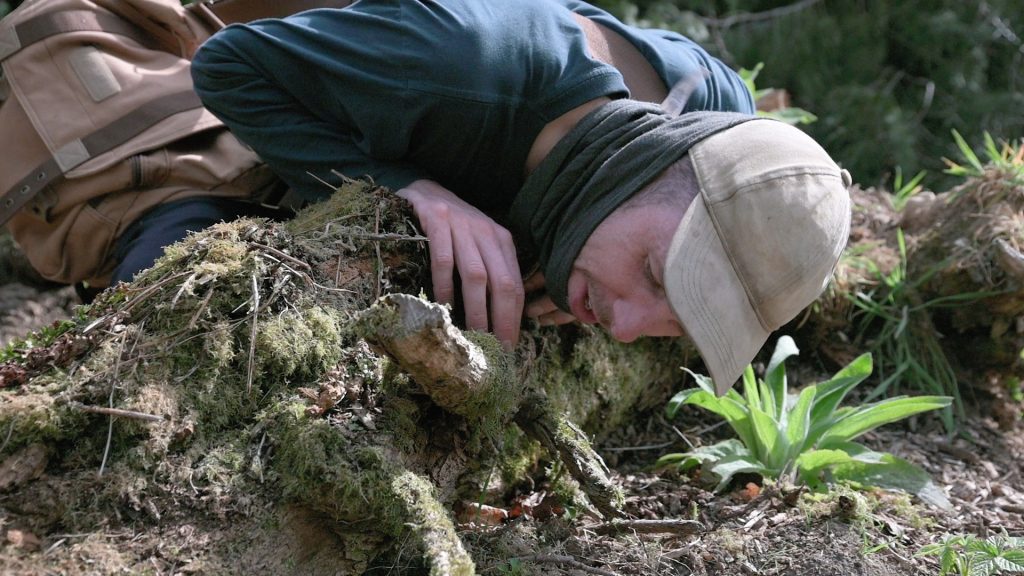
Planting trees in a wildflower meadow is an incredible way to boost biodiversity by mimicing nature…
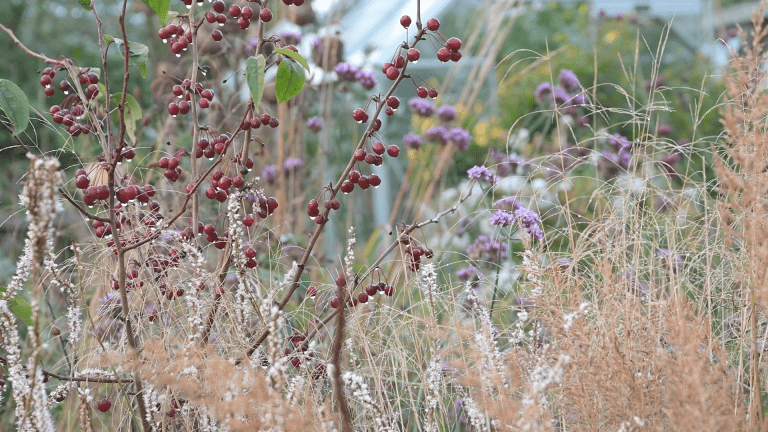
I gave this talk for the first time recently. I think its an important one, so I recorded it for you to enjoy…
Get top gardening tips straight to your inbox, and hear about the latest horticultural events and blog posts.

This Post Has 2 Comments
Have a lot of log piles but not seen lizards – I wonder if our soil type here in eastern Kent too heavy in clay? The common lizard does like a sandy soil. Will try to review positioning if the logs re Southerly orientation and maybe add sand and rock.
One rare UK invertebrate that has turned up around my pond margin is an aquatic stick insect!
Hi Martin,
I don’t know a lot about lizards, but I just looked up about soil type and some sources do say that free draining is “desirable”. Not sure if this is related to moisture, or perhaps becasue they warm up quicker in spring.
The stick insect sounds amazing. I didn’t know that we had any here in the UK. If they’re still visible when I come over in a few weeks, it would be great to get a look.
Cheers,
Joe