
Beautiful ornamental grasses to transform your garden
When we imagine beautiful gardens, we tend to think of flowers.
But from a garden design perspective at least, ornamental grasses may be even more important.
Watch the video and read on for more details:
Ornamental grasses are elegant, versatile, and surprisingly resilient. They bring movement, texture, and cohesion to garden spaces, helping to tie planting areas together and connect your garden to the surrounding landscape.
Even in winter, when most plants retreat beneath the soil, grasses continue to provide structure, form, and seasonal interest, making them a cornerstone of naturalistic garden design.
Why ornamental grasses matter
Grasslands have dominated much of the world’s landscape for millions of years. They thrive in drier conditions, tolerate periods of drought, and can regenerate year after year. This resilience makes them perfect for gardens, especially if you want a low-maintenance, naturalistic feel.
Grasses also create movement in the garden. A gentle breeze rustling through their leaves adds life and dynamism that flowers alone can’t provide. Their forms range from soft, flowing clumps to bold, upright spikes, offering endless possibilities for garden design.
Planting grasses in your garden is a way of mimicking nature. You can recreate species-rich grasslands full of wildflowers, or taller, more architectural grass growth that provides structure and texture right through winter.
Five ornamental grasses to try
Here are five of my favourite ornamental grasses, along with tips on how to use them in your garden:
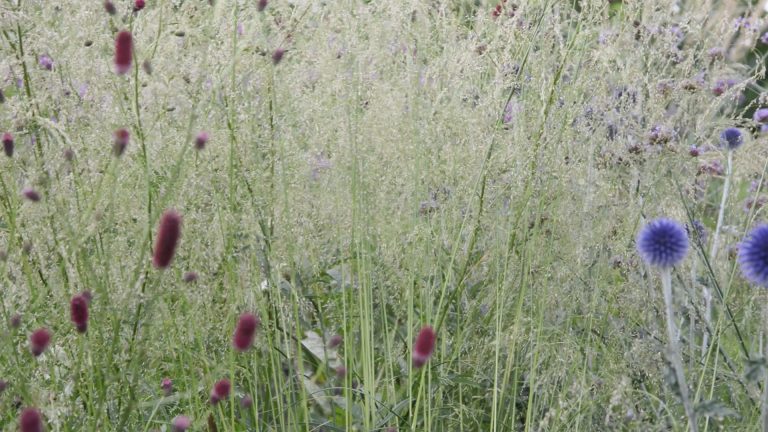
1. Deschampsia cespitosa (Tufted Hair Grass)
Found across cool temperate areas of Europe, Asia, and North America, tufted hair grass loves moist soils in full sun or light shade but will also tolerate a bit of drought. It reaches around waist height, flowers in early to mid-summer, and looks beautiful into mid-winter.
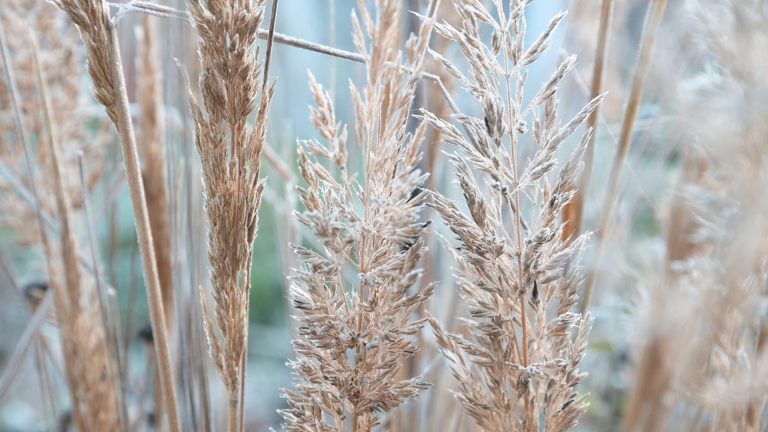
2. Calamagrostis brachytricha (Korean Feather Reed Grass)
This graceful grass thrives in moisture-retentive soils and lightly shaded woodland areas. It reaches hip height, flowers in late summer, and maintains visual interest well into winter.
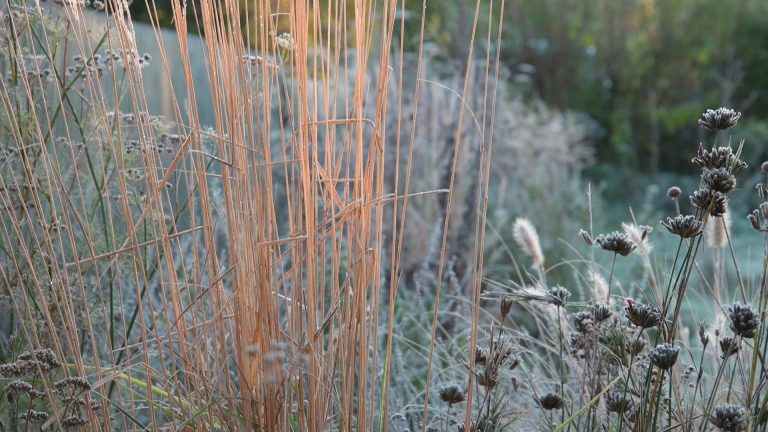
3. Calamagrostis × acutiflora ‘Karl Foerster’
A tall, upright grass that flowers in early summer and can reach head height. Its cylindrical form stands in contrast to softer, floppy grasses, and the yellow-orange winter stems are especially striking. Plant in full sun with well-drained soil for the best results.
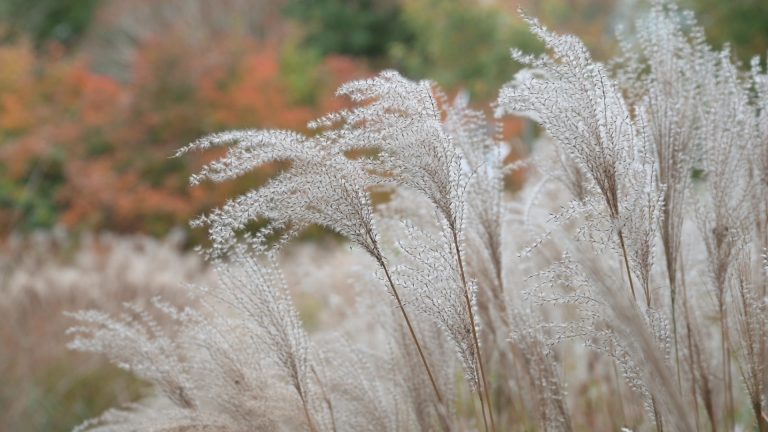
4. Miscanthus sinensis (Japanese Silver Grass)
Japanese silver grass is incredibly variable, with flowers and foliage ranging from almost white to deep red. Some cultivars stay waist-high, while others are truly tall and dramatic. It loves full sun and free-draining soil and adds architectural interest to any garden.
5. Stipa calamagrostis (Silver Spike Grass)
A striking grass that flowers in early summer and maintains interest into mid-winter. It can flop if grown in high humidity, warm nights, or deep shade, but in naturalistic plantings with companion plants, it generally holds itself beautifully.
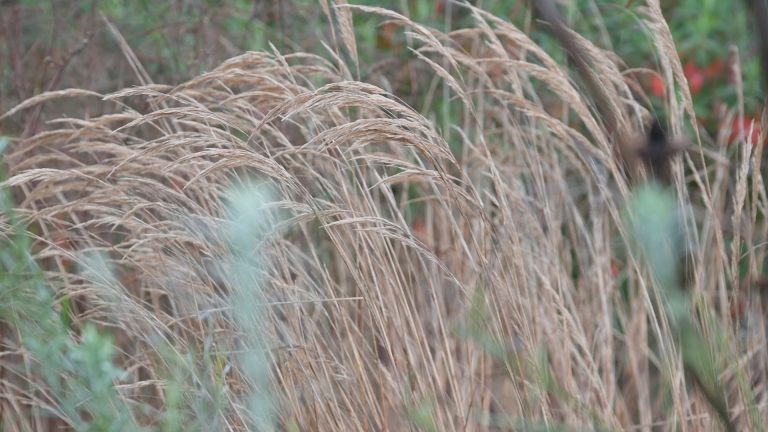
Did I miss any great grasses?
Hey, maybe there’s some great grasses missing from this video. Have you got any recommendations? I’d love to hear about them in the comments below!
Happy gardening.
Joe

Joe Vary Dip. Hort (Wisley), MCIHort, CMTGG
I'm a gardener, educator, consultant, and planting designer. Learn with me 1-to-1, or join my mentoring group and community.
This Post Has 4 Comments
Hey Joe, another great video, and I can see why you love ornamental grasses so much . I remember your airy plant video and fell in love with the colours and flowing nature of the plants which seems to be similar characteristics to the grasses. Every time you share different plants my garden changes in my dreams!!!
I’m very happy that my ‘mini meadow’ is sown and will hopefully develop ‘naturally’ over the seasons. I am now planning on adding a couple of your recommended grasses to my ‘plot’.. look forward to the next video and the upcoming course.
Thanks so much for your message Josephine. I’m really happy to hear that you’re finding the videos inspiring!
Ornamental grasses definitely fall
under “airy plants”. Maybe the most airy!
I ordered two pots of Stipa gigantea recently. A lovely ornamental grass that loves full sun. Also known as “golden oats”.
All the best,
Joseph
Hi Joe and thanks for another lovely video.
I share your love of grasses – Calamagrostis KF for great oaty-coloured vertical in the front garden. And Miscanthus Morning Light is golden at the moment but turns silver when the low sun shines through – magical.
But! of all of them, my favourite at the moment is Molinia caerula – although it can reach almost 2 metres, it’s so light and feathery and see-through, it’s not heavy at all. Got it at the end of the deck and can see right down the garden. Little purple tips on the ends. Very well behaved – doesn’t spread much at all.
cheers!
Thanks so much for your comment Sheila 🙏 Great to hear from you.
Your Miscanthus and Calamagrostis must be looking fantastic at the moment with the low winter sun.
You mentioned Molinia caerulea and how tall it is. It’s worth noting that there are two subspecies that I know of:
M. caerulea subsp. arundinacea
and…
M. caerulea subsp. caerulea
The first one can definitely reach 2 metres tall. A real giant 😆 and I suspect this is what you have.
But, if you’re looking for something equally beautiful, but considerably shorter, you may consider the latter.
They normally reach around waist height.
Best wishes,
Joe